Our Story
-
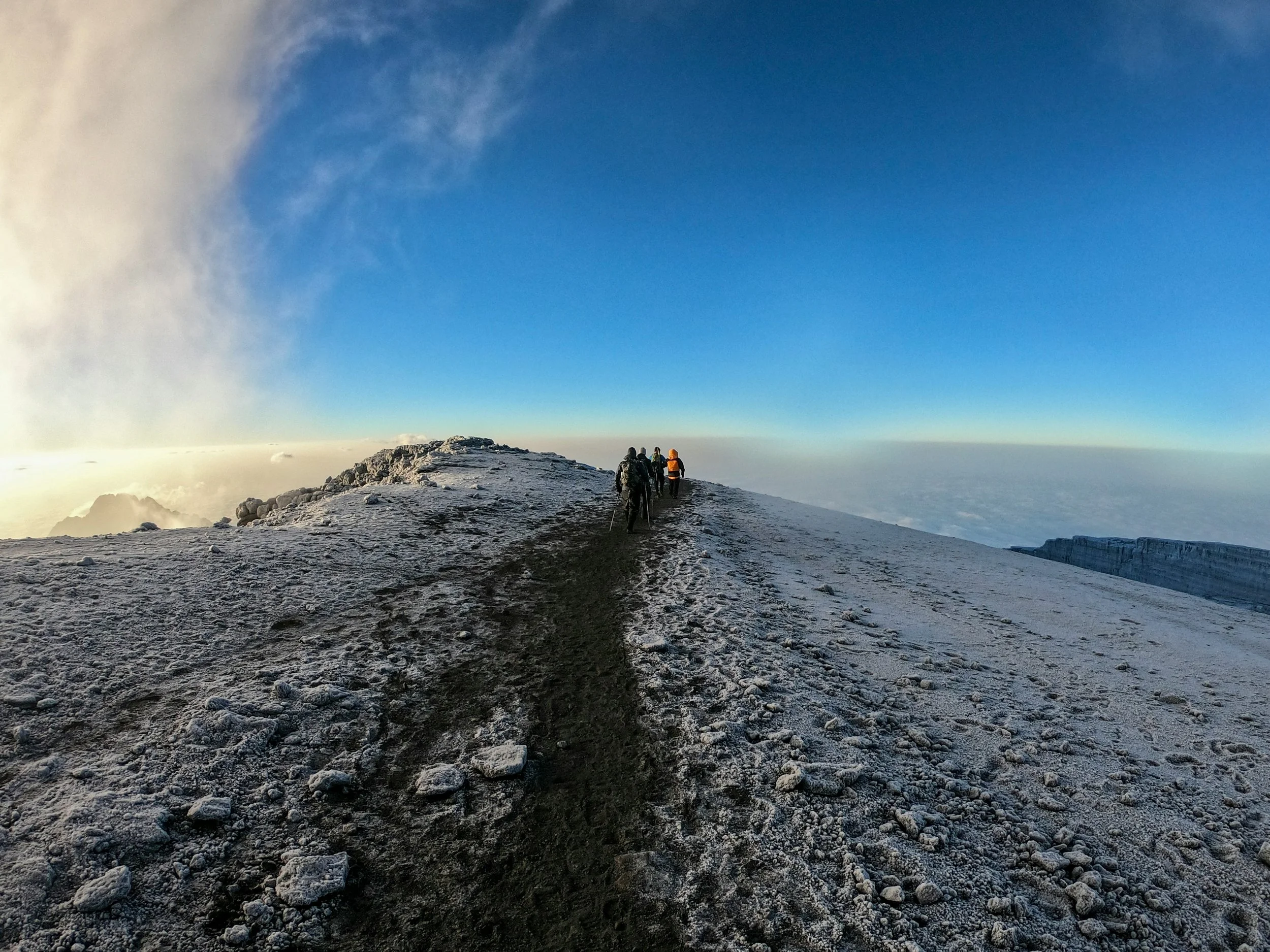
Respect for Human Rights
-
Gender Equity
-
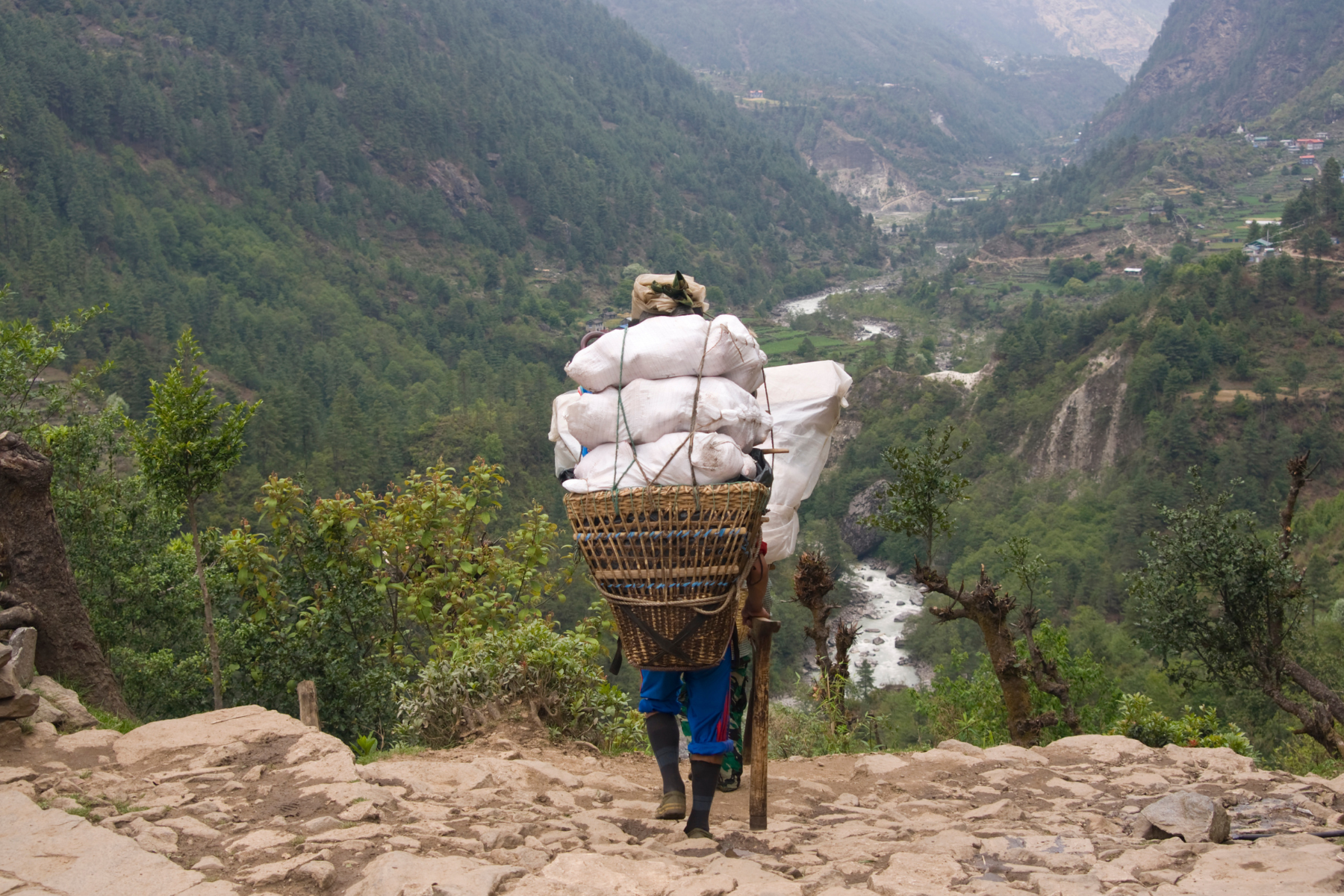
Fair Labor Practices
KM 82: The Porter Voices of Peru’s Camino Inca
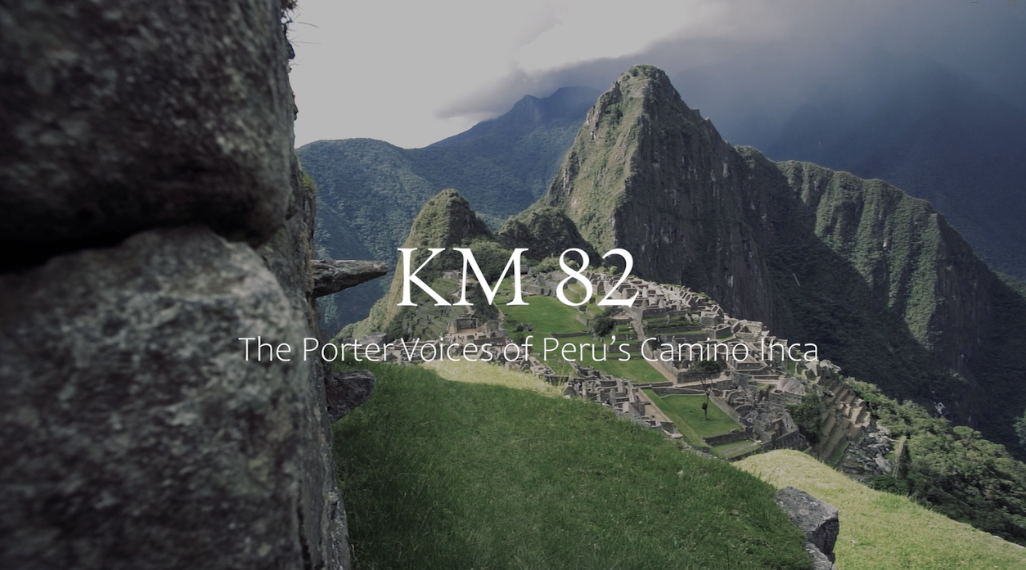
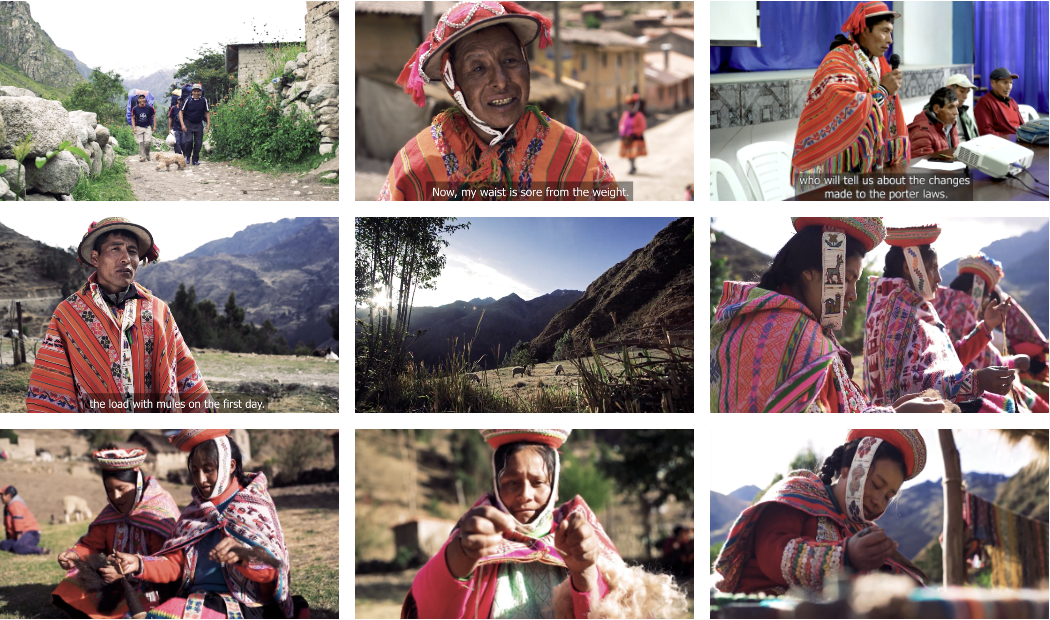
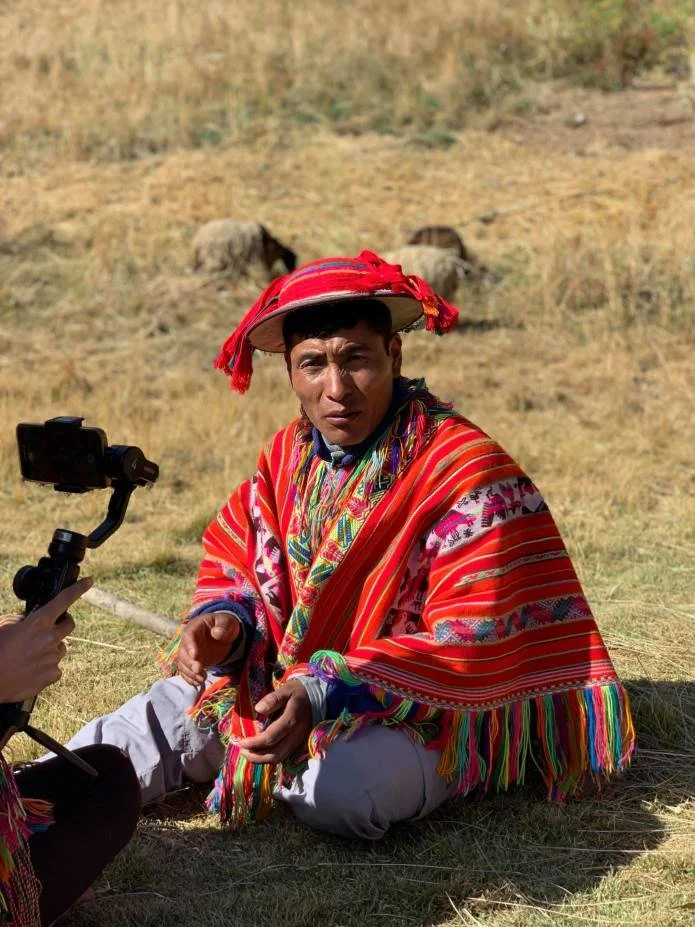
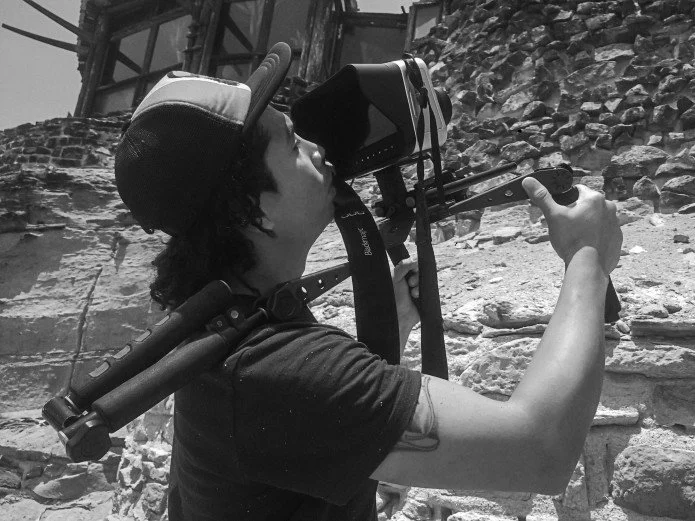
The Porter Voice Collective’s very first initiative to elevate porter voices was the documentary KM 82: The Porter Voices of Peru’s Camino Inca, a film dedicated to amplifying the lived experiences of porters and bringing long-overlooked injustices to light on Peru’s Classic Inca Trail. This documentary laid the foundation for what would become a global advocacy movement.
Workforce Equity Tourism as the Foundation of Sustainable Tourism
Grassroots Beginnings
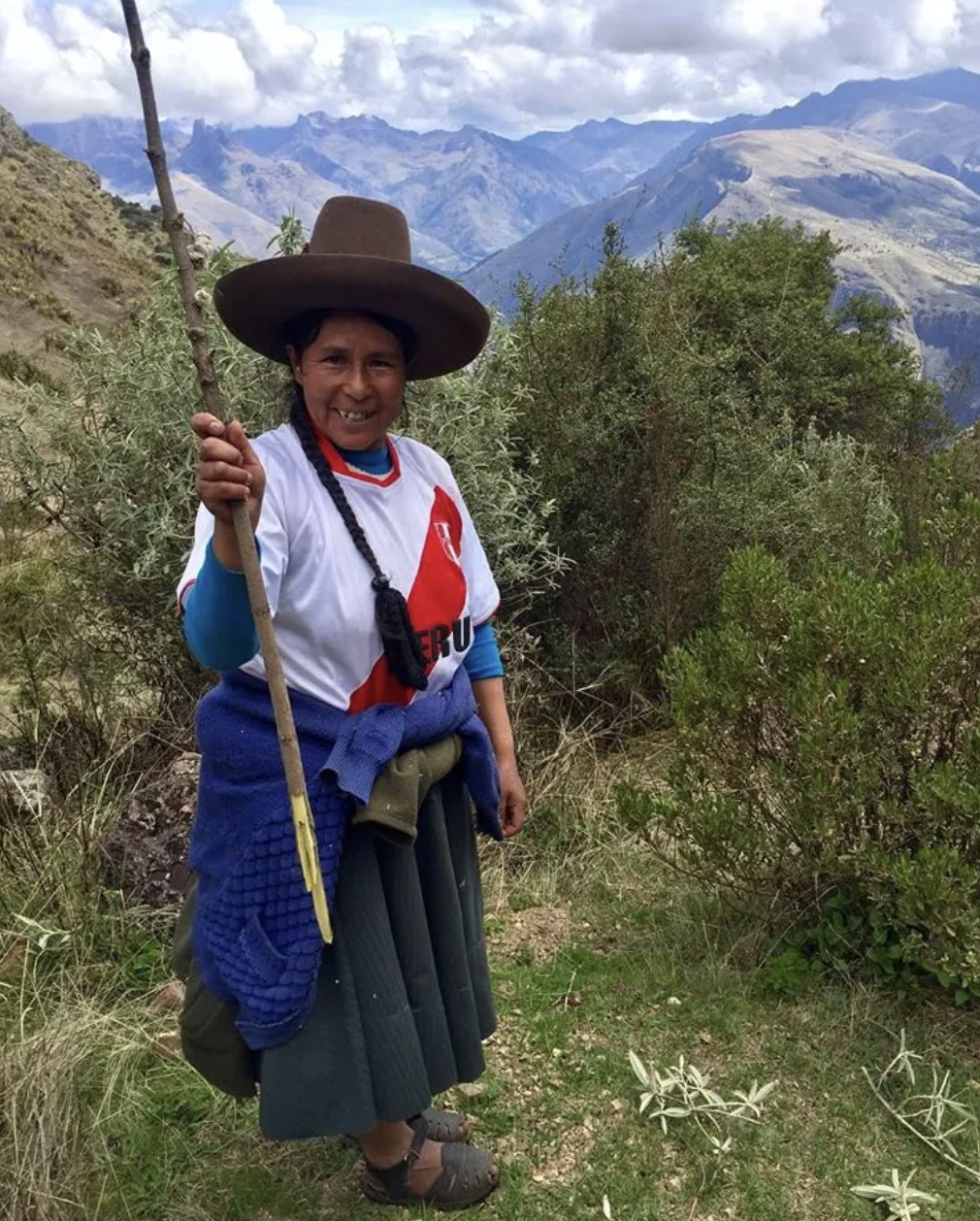
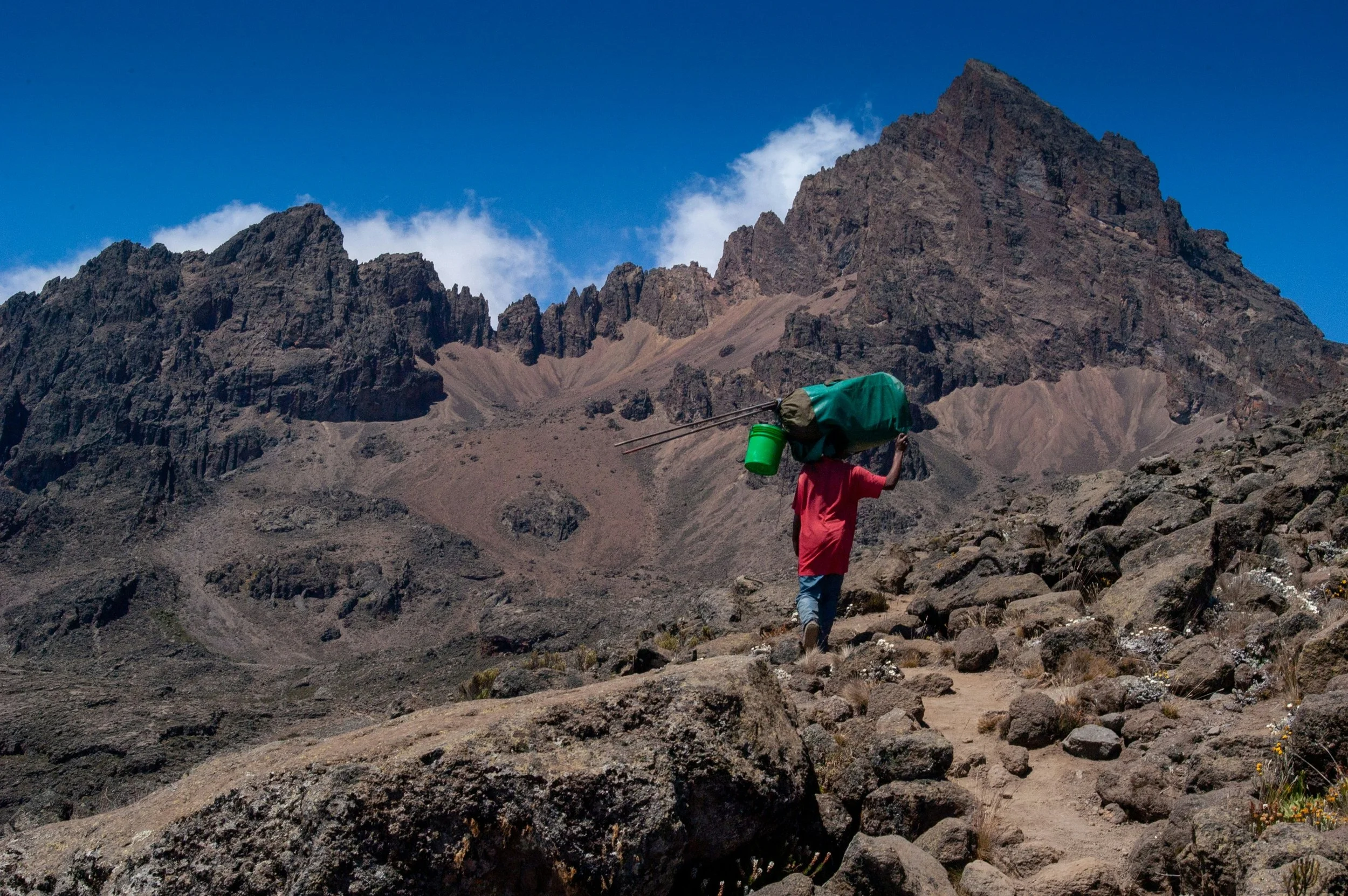
The Porter Voice Collective (PVC) began as the vision of Marinel de Jesus, who moved to Peru in 2018 and immersed herself in the world of mountain trekking. While connecting with guides and porters along the Camino Inca, she began to hear stories that were rarely told: tales of long hours, low pay, unsafe conditions, and systemic inequities that shaped the lives of the people who make mountain adventures possible.
What started as a series of conversations and observations quickly revealed that these challenges were not isolated incidents, but symptoms of deeper structural inequities embedded across the mountain tourism industry. Recognizing that education and storytelling were essential first steps toward reform, Marinel set out to create a platform where porters’ voices could be heard directly, unfiltered, and without being co-opted for marketing or profit.
From this passion project, the Porter Voice Collective was born. Initially focused on porters in Peru, the movement expanded to the three largest mountain tourism regions — Nepal, Peru, and Tanzania. Over time, it became clear that inequities affect the entire mountain tourism workforce, including guides, cooks, and other support staff. These roles are interconnected, and their challenges cannot be addressed in isolation. PVC’s work grew to include all members of the workforce, with a particular emphasis on gender equity and empowering women workers in the industry.
Decolonial Approach to Storytelling
At the heart of PVC’s approach is a decolonial lens. We believe the workforce must have autonomy over their stories, telling them not for the benefit of brands or tour operators, but to bridge the gap between the realities on the ground and what the world knows. We challenge the romanticized image of mountain tourism by naming the problems as they truly exist — the hardships, inequities, and systemic barriers faced by those whose labor supports an industry built on adventure and exploration.
PVC is also redefining sustainability in tourism. True sustainability is not just environmental; it is social justice-driven. There can be no sustainable tourism without fair labor practices, gender equity, and respect for human rights. By putting the workforce at the center, PVC advocates for a new model we call Workforce Equity Tourism, where the dignity, safety, and empowerment of workers are recognized as core pillars of sustainable travel.
Focus Shift from Solely Porters to Include the Entire Mountain Tourism Workforce
From a single film project to a collective movement, PVC now amplifies the voices of porters, guides, and all mountain tourism workers across continents. Our goal is to make the invisible visible, honor the labor behind every trek, and transform mountain tourism into an industry that is equitable, just, and truly sustainable.

Women’s Rights are Human Rights
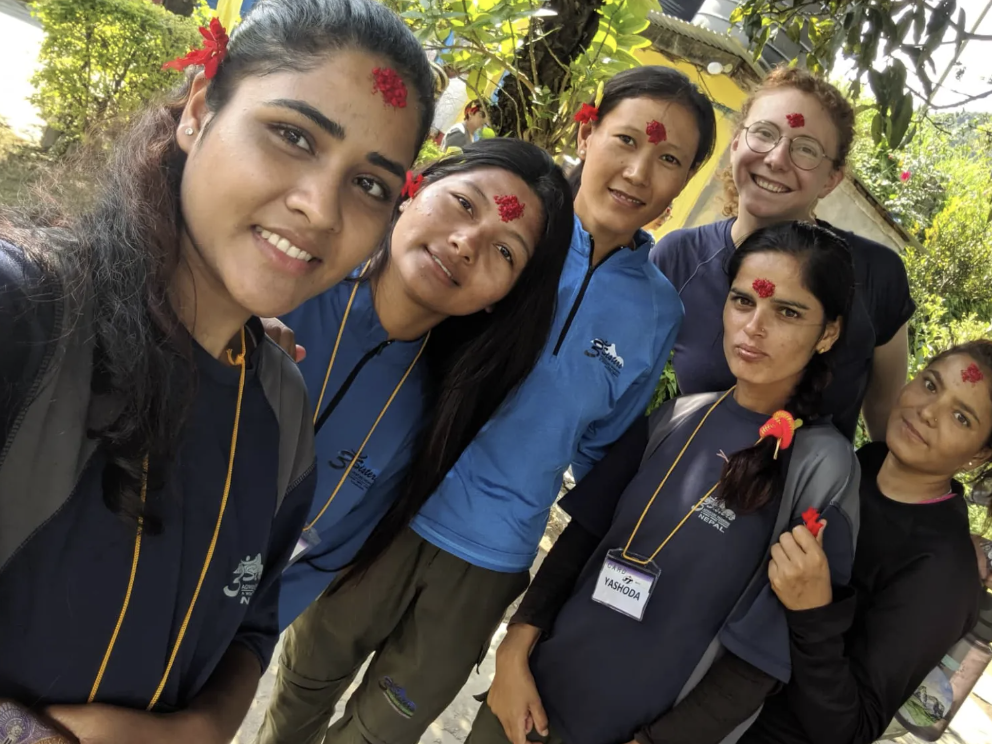
PVC is dedicated to elevating the powerful voices of women porters and guides. Their presence in Peru, Nepal, and Kilimanjaro has grown rapidly in the past decade—an inspiring shift in a field long dominated by men. But this progress comes with a painful truth: many women continue to face sexual harassment, unsafe working conditions, unequal pay, and discrimination on the trail. Most incidents are never reported, never investigated, and never acknowledged.
Celebrating women’s inclusion means confronting the systems that still fail them. True progress demands gender-responsive policies, real protections, and a mountain tourism industry that guarantees safety, dignity, and equal opportunity for every woman who carries, guides, and leads. Because without gender equity, there is no workforce equity—and without workforce equity, there is no sustainability.
This page shares the stories of women who are reshaping the future of mountain tourism—and offers the tools you need to stand with them as allies and advocates. For a deeper look at why this movement matters, read our Founder’s full perspective via this opinion piece.