The Porter Voices of Nepal
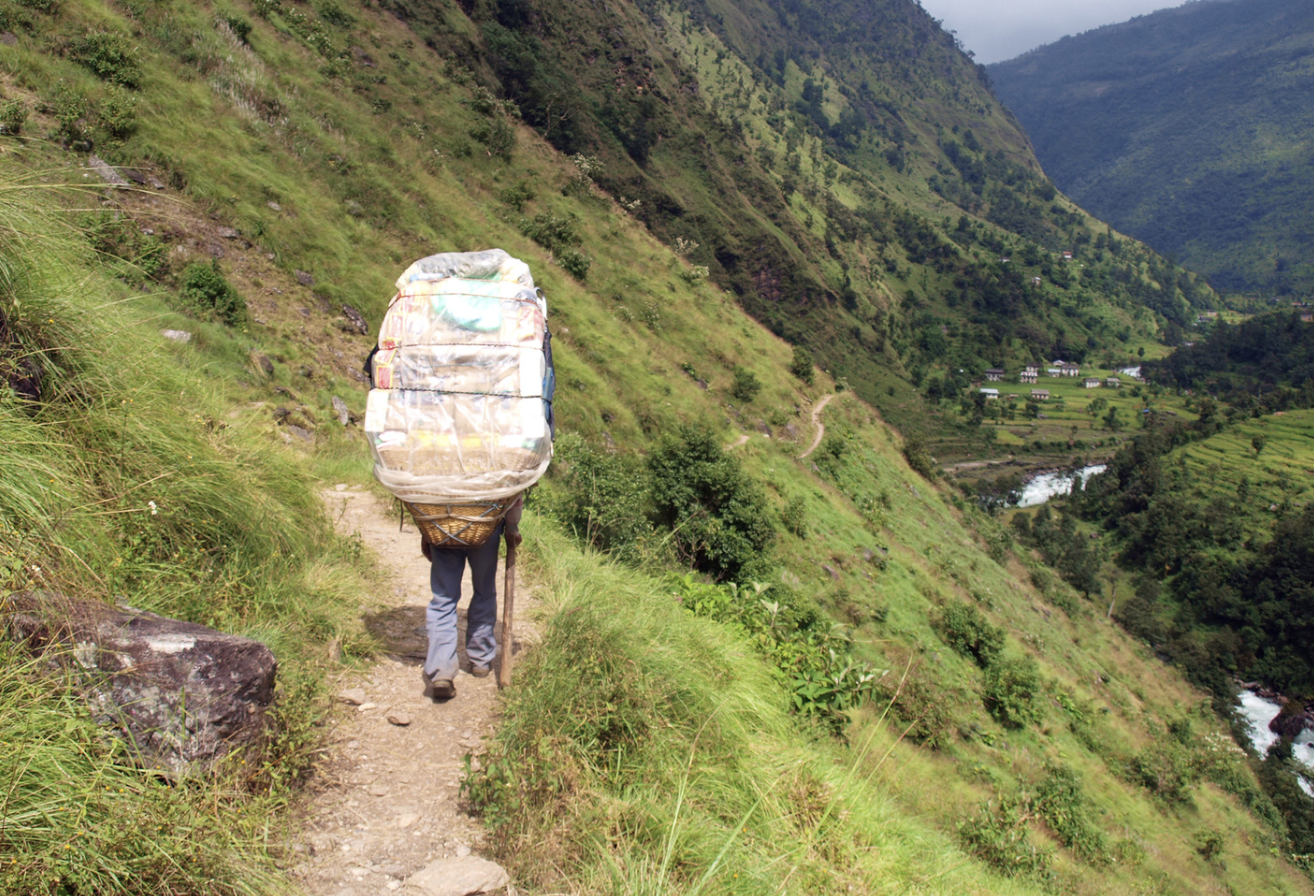
The porters of Nepal have always served as the backbone of the trekking tourism industry – one that affords every tourist a grand experience in the Himalayas. The porters in this region originate from hundreds of ethnic groups with multiple dialects to contend with. While Nepal has long been dependent on tourism as its main economic source, the working conditions on the trails for porters have only recently demonstrated improvements. Still, many companies cut costs at the expense of the porters’ welfare ranging from lack of proper gear to paying below the mandated salary. Women remain uncommon as guides and porters although the number is slowly on the rise.
Nepal Porter Voice: Arman Rai
Porters vary in age – Arman is 14 and has been working as a porter for 3 years. In those 3 years, he faced challenges that many porters in Nepal experience: poor sleeping conditions, lack of sufficient food, lack of fair pay, lack of interaction with tourists, lack of medical insurance, increase permit fees for porters, and discrimination by hotel owners on the trail among a few other issues.
Will you as a tourist provide the voice for the porters to create better conditions for them? Demand these conditions to change when you book a trek in Nepal.
The Living Quarters of Porters on Gokyo Trek
The porters in Nepal, similar to those in Peru and Kilimanjaro, have faced deplorable working conditions on the mountain trails including where they sleep at night. It is important to understand that as tourists the success of the trek is dependent on the health and welfare of the porters. In this video, there are a few disturbing facts that cannot be ignored:
1. Porters use up two-thirds per day of their salary to pay for their accommodation and food on the trail. 2. Porters sleep in cramped rooms without any form of heating, proper mats or blankets. The same space doubles up as storage. (Keep in mind the temperature plunges below freezing on these treks). Note: The tourists, however, are provided with blankets, proper mattress and at times some form of heating. 3. This cramped sleeping space is considered an “upgrade” from sleeping in caves back in 2015 and earlier years.4. During peak season, the porters sleep in a make-shift shelter as depicted on the video.
How can change happen for the porters?
1. As tourists, you can do your own research on these trails to see if the company you are using are ensuring the well-being of your porters. 2. Document via photos or videos the poor conditions that you witness on the trail and make use of social media to educate others (Feel free to submit to the Porter Voice Collective). Join our community.3. As a paying customer, start to make demands of companies to create better sleeping and working conditions for the porters.
Your voice as a tourist will create the change and elevate the voices of the porters worldwide.
Video credit: Adventureholix
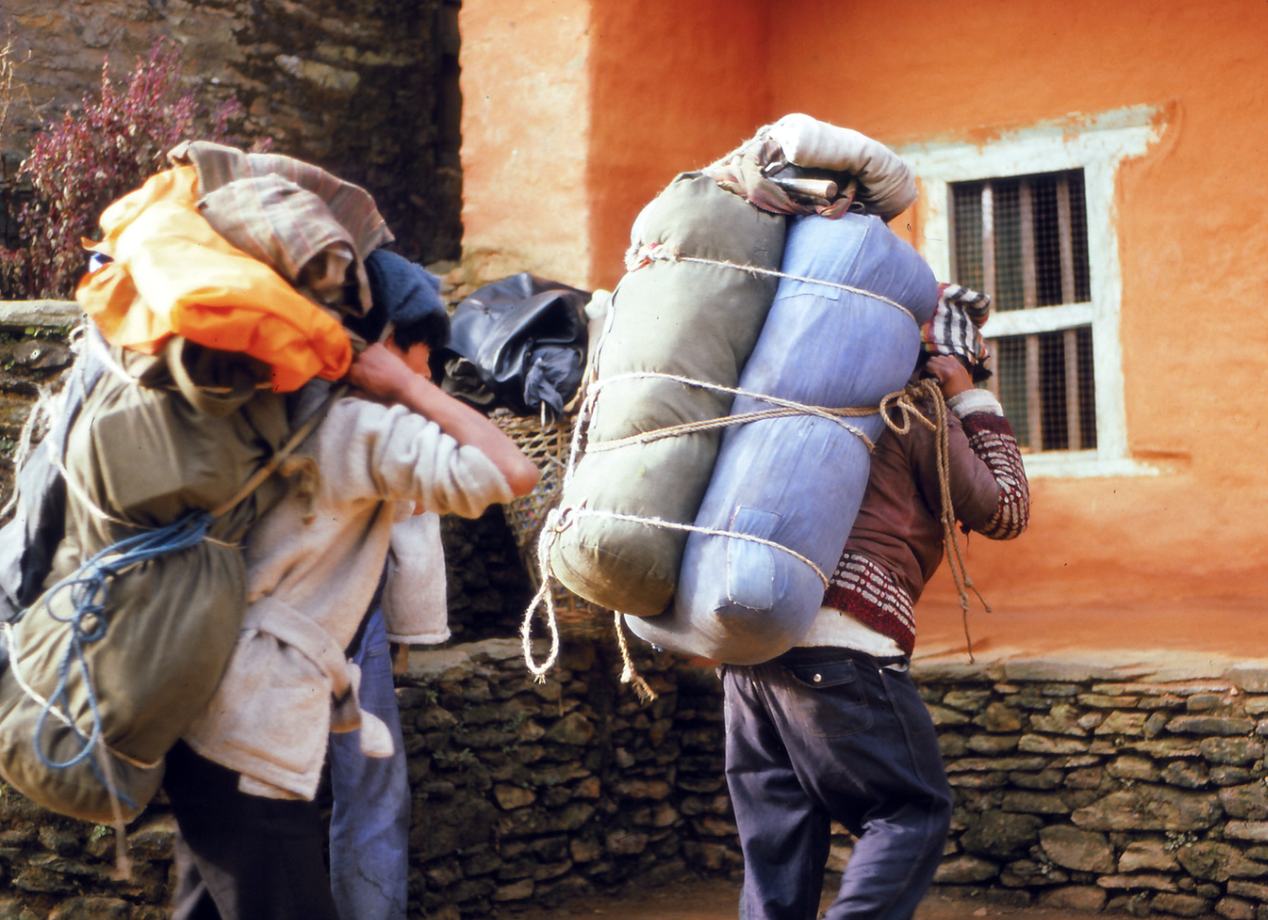
The Life of a Himalayan Mountain Porter
(Video credit: Adventureholix)