
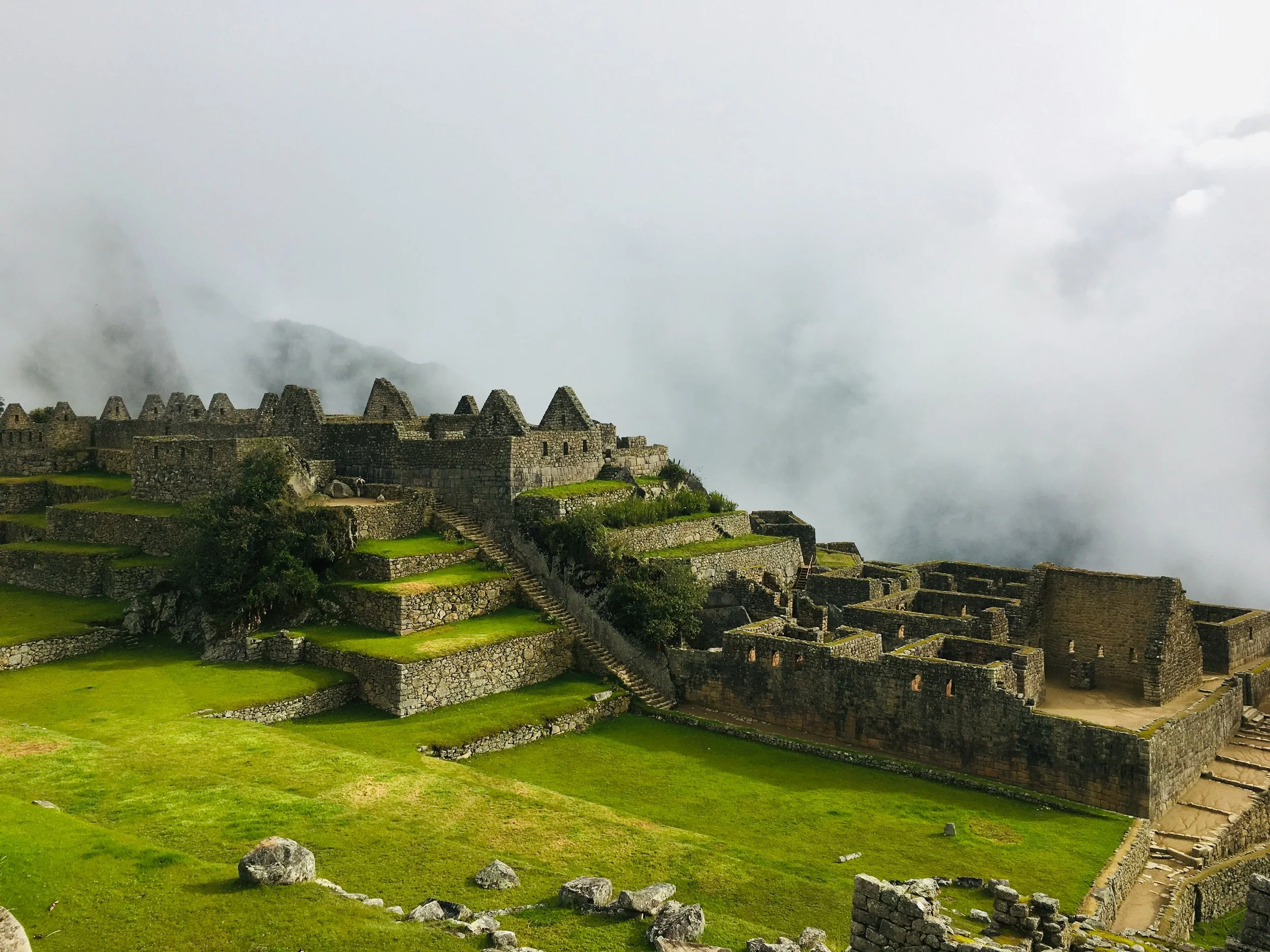
The Porter Voices of Peru
The porters in the Cusco Region of Peru have worked on the Inca Trail for over 50 years. The majority of the porters comes from the Quechua communities in the region. The porter industry remains male-dominated but in recent years more women have gained interest in becoming porters themselves. This is a phenomenal time for change in the trekking tourism industry of Peru whereby women’s presence is on the rise as guides and porters which is paving the way towards better working conditions for all the porters in this part of the world.
-
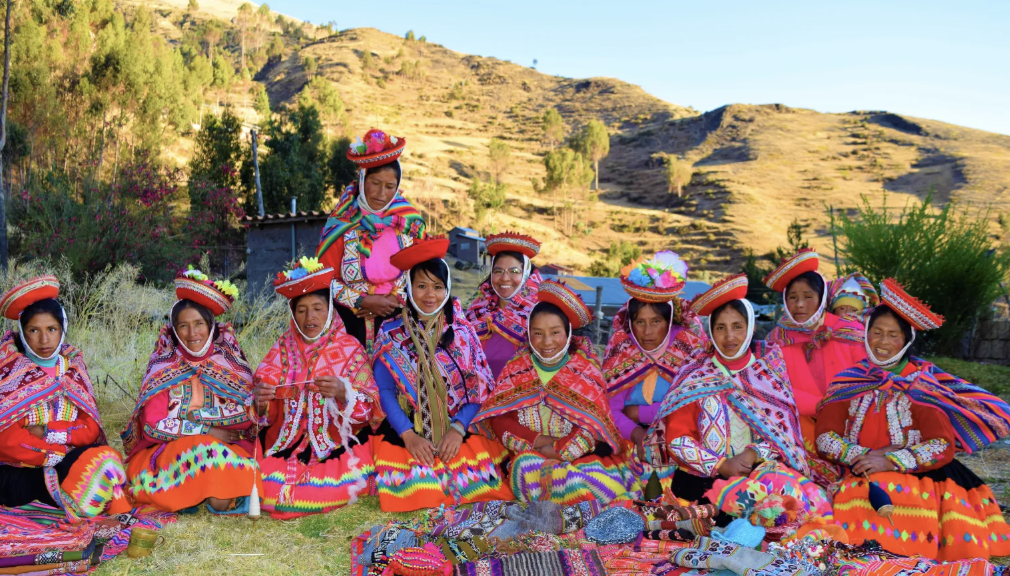
Meet the Families of the Porters in Huilloc Alto
The community of Huilloc Alto is comprised of many porters that walk the Inca Trail. Their wives as seen on these photos work as weavers. Every community has a unique style of weaving and that shows in their final products. In this community, the women do their weaving at home. Everything is hand made.
The community does not see many tourists and is at its infancy in terms of tourism. In fact, the locals recently had a road built to connect them to the town below. The community themselves raised the funds for the project. Now, they hope to use weaving and cultural immersion where homestays are provided as a way to bring tourists. The towns below are already receiving regular tourists. Huilloc Alto, due to its higher location, has been overlooked by tourism and agencies that can bring the tourists to the community.
The women noted that they are not allowed to sell their products in Ollantaytambo, the main tourist area just 45 minute ride away from their town because in order to sell you must pay a fee to become part of a collective of weavers. To start your own collective is also financially difficult.
Weaving is one of the biggest attractions in the Cusco region and not all collectives are successful in sustaining their projects in the long run due to the high level of competition or the lack of access to their communities.
-
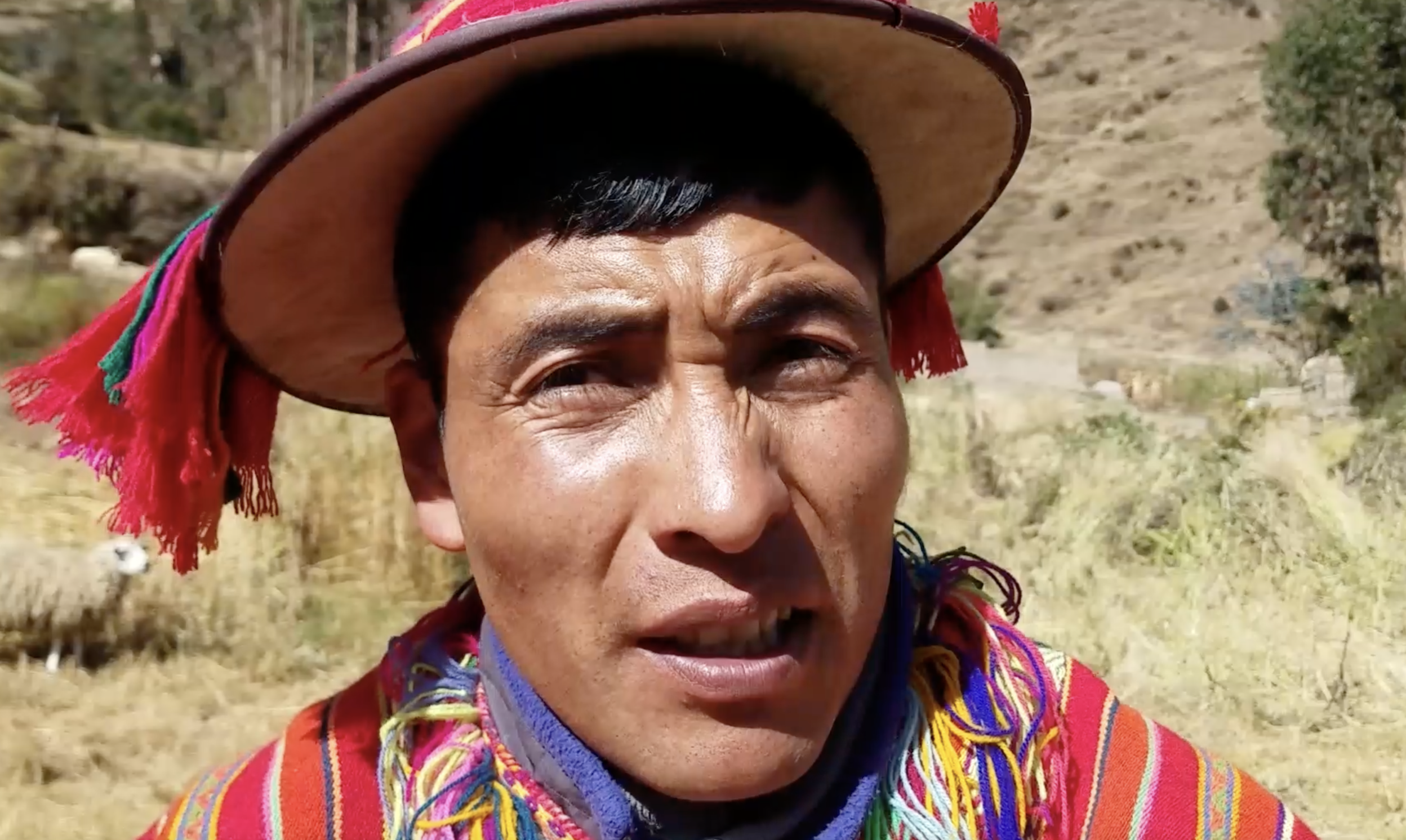
The Huilloc Alto Community: The Origins of Porters
Alberto Huaman Huamanhuillca is the current president of the Federacion de Porteadores del Camino Inka, an organization launched by the porters of Inca Trail in Peru to improve the conditions for porters on the trail. Alberto is also a leader of his Quechua community – Huilloc Alto – which is located on the mountainside overlooking the town of Ollantaytambo. Alberto worked as a porter for 10 years before becoming a cook which he has been doing for the past 7 years.
According to Alberto, there are 4,000 active porters on the Inca Trail. In his town of Huilloc and the surrounding vicinity, there are 500 porters and their families living there. Alberto notes that Huilloc was where the first porters of the Inca Trail originated from. And to this day, the region remains the hub for porters for Peru’s trekking tourism industry.
As the leader of the Federacion, he is concerned about the ongoing issues on the trails for the porters. His vision is to create a trekking organization that is run completely by the porters themselves, all of whom will be from his village of Huilloc and the surrounding areas. In conjunction, he would want the organization to jointly create a collective for the porters’ wives who are weavers in this community; thereby creating a trekking and weaving organization that will sustain jobs for both porters and their wives on a long-term basis. In that manner, the community will have its own form of sustainable tourism owned and operated by the locals themselves.
KM 82: The Porter Voices of Peru’s Camino Inca
The Porter Voice Collective’s very first initiative to elevate porter voices was the documentary KM 82: The Porter Voices of Peru’s Camino Inca, a film dedicated to amplifying the lived experiences of porters and bringing long-overlooked injustices to light on Peru’s Classic Inca Trail. This documentary laid the foundation for what would become a global advocacy movement.
Alberto Huaman Huamanhuillca, President of the Federacion de Porteadores del Camino Inka
The Classic Inca Trail has been operating for 50 years and yet the same poor working conditions exist.
Tourists have been accustomed to think that simply because the porters have “jobs” that this is good enough. Will you happily work as a porter with substandard working conditions? Or will you aim to have a higher morale in your workplace?
Listen to Alberto, the president of the Porters Associatin in Cusco, Peru. He shares his first hand experience as a porter. Ask yourself how you can help change this trekking industry to transform itself into a more humane working environment. Being silent or complacent is only contributing further to the ongoing exploitation of porters within the trekking tourism industry. Make a choice to be part of the solution – listen, celebrate, amplify and elevate the porters’ voices.
By Scott Montgomery / Galactivate / The Porter Voice Collective
KM 82: A message from the Porter Federation
The government and companies have created divisions within the Porter Federation to weaken their ability to fight for better conditions. Now, the leaders of the Federation are working to unite all the porters. Here, one of the leaders, Wenceslao Condori, invites the porters to unite and work together. He is joined by the Porter President, Alberto Huaman, Samuel (regional leader), Sergio and Juana. The porters are looking forward to a global partnership with tourists and organizations worldwide to elevate their voices and create industry-wide changes. KM 82 is making that happen.
Bribery & Corruption Rule on the Camino Inca
In a 2012, a documentary called Porters of the Inca Trail, the porters have voiced out their concerns regarding the bribery that occurs at the weighing station that the government oversees. The practice of overloading porters on the Inca Trail beyond the 25 kg limit remains the standard practice today with many companies getting away with this practice of cutting costs at the expense of the porters. With no real accountability on companies and the bribery that occurs, porters are left without much choice. We as tourists can advocate for more controls, regulations and monitoring of these practices with a clear set of punitive action on companies who violate such laws. As responsible tourists, we can make the Inca Trail experience much more meaningful by advocating for changes that will elevate the rights and welfare of the porters.
Video Credit: Porters of the Inca Trail (2012) by Gabriel Manrique & Michael Lundin
Emiliano from Huilloc Alto: Porters Barred from Entry to Machu Picchu
It is a myth that porters who work on the 4 day Classic Inca Trail get to enter Machu Picchu while working as a porter on the trail. While tourists enter Machu Picchu on day 4 via the famous sun gate, all porters MUST descend down the mountain from the last campsite and take the train back to Ollantaytambo. In fact, they are not allowed to enter Machu Picchu while on the job. So, most, if not all porters do NOT see Machu Picchu despite working as a porter for 1, 5, 10, 20 or more years.
This is yet another form of discrimination against the porters, most of whom are from Quechua communities. Machu Picchu is intertwined with the heritage and culture of the Quechua people. To bar them and never see their own national tressure deprives them of their own connection to their heritage. To have the rest of the world see Machu Picchu but bar those who have direct historical ties to the place to experience it is illogical and unfair.
Gregoria Jaimes Pauccar, Chinchero-cuper alto
The existence of women porters in the trekking tourism industry is a recent phenomenon. In Peru, women like Gregoria started out as a porter in 2016. She works on the Huchuy Qosqo trail alongside mostly Quechua women in the region. Portering adds income for these women. The work itself (carrying the load) is not the biggest challenge. It’s the “machismo” that has to change. The mentality is slowly changing.
Tourists can help by asking operations for the inclusion of women in the industry. Demanding change collectively will get us to equity and inclusion in the industry much faster. Will you join us in creating the inclusion of women in this industry?
Listen, celebrate, amplify and elevate the voices of women porters.
Porter Interview: Porters Still Sleep in Dining Tents, Toilets, and Caves
This porter wishes to hide his identity given the threats of being refused work by companies and the risk of being chastised by his fellow porters. From this video, you’ll learn that porters continue to sleep in dining and kitchen tents, in the dirty toilets along the trail, under the tree or even caves.
Why? Because companies don’t provide sleeping tents as a standard of practice on the trail. Porters are assigned to sleep in dining or kitchen tents which don’t have ground cover and are typically overcrowded (at times 10 or more people in it). To buy tents for porters would add to the business costs.
In a for profit industry where accountability is lacking, companies can easily cut costs by refusing to provide sleeping tents to porters. As tourists, you can demand that companies begin providing tents on the Inca Trail.